Strawberries, Cream, and Bourbon
Wimbledon's signature dessert, matched to bourbon. Why strawberries and cream work with wheated whiskey, which bottles to pour, and three ways to serve it.
On This Page
Got a tip? Know about an upcoming release, a shelf find, or industry news worth covering? Send it our way. We read every submission.
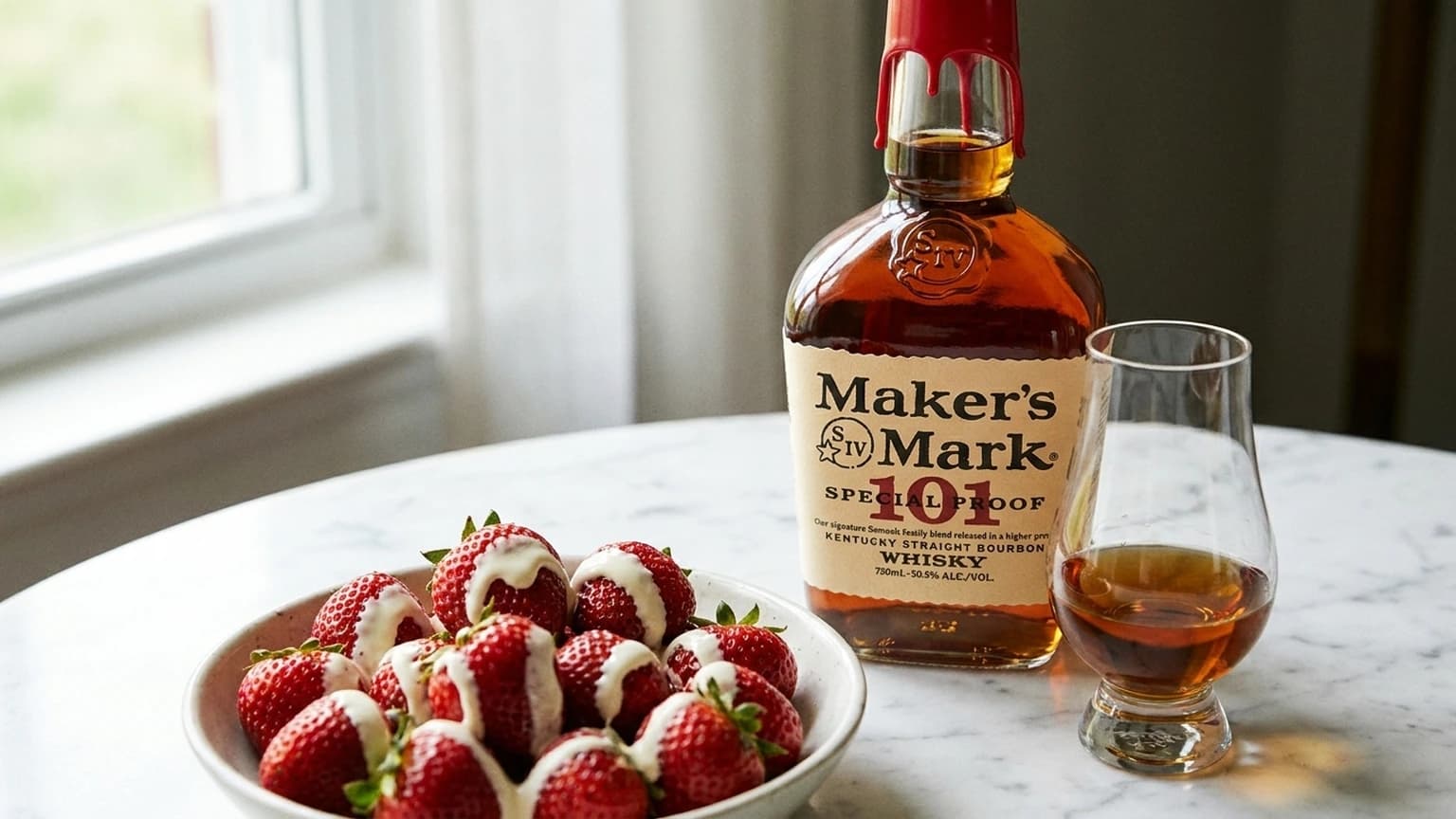
Wimbledon's signature food is strawberries and cream. Around 28 tonnes of strawberries get served across the fortnight, almost all under a drizzle of double cream. It is the quietest, most specific piece of food on the sporting calendar, and it takes to bourbon better than it has any right to.
The trick is reading what each half of the dish is doing.
Track your summer pairings
Start Your CellarWhy the Pairing Works
Fresh strawberries bring acidity, light sweetness, and a floral top note. Cream brings fat, a mouth-coating texture, and dairy lactones, the soft buttery compounds that make cream taste like cream.
Bourbon answers both. Its corn sweetness rhymes with the cream, while the oak and spice balance the strawberry's acidity. The alcohol cuts the dairy fat rather than clotting against it. Get it right and each side sharpens the other. Get it wrong, with too heavy a bourbon or too rich a cream, and one simply flattens the other.
Which Bourbon Fits
The bourbon for strawberries and cream wants to be:
- 85 to 100 proof. Higher proof steamrolls the fruit's delicate acidity.
- Wheated or balanced. Wheat amplifies the cream. A heavy rye fights the strawberry.
- Well-aged but not over-oaked. Too much wood and the dairy fat goes slack.
- Vanilla-forward on the nose. Vanilla and cream share the same dairy lactones, and that is where the pairing clicks.
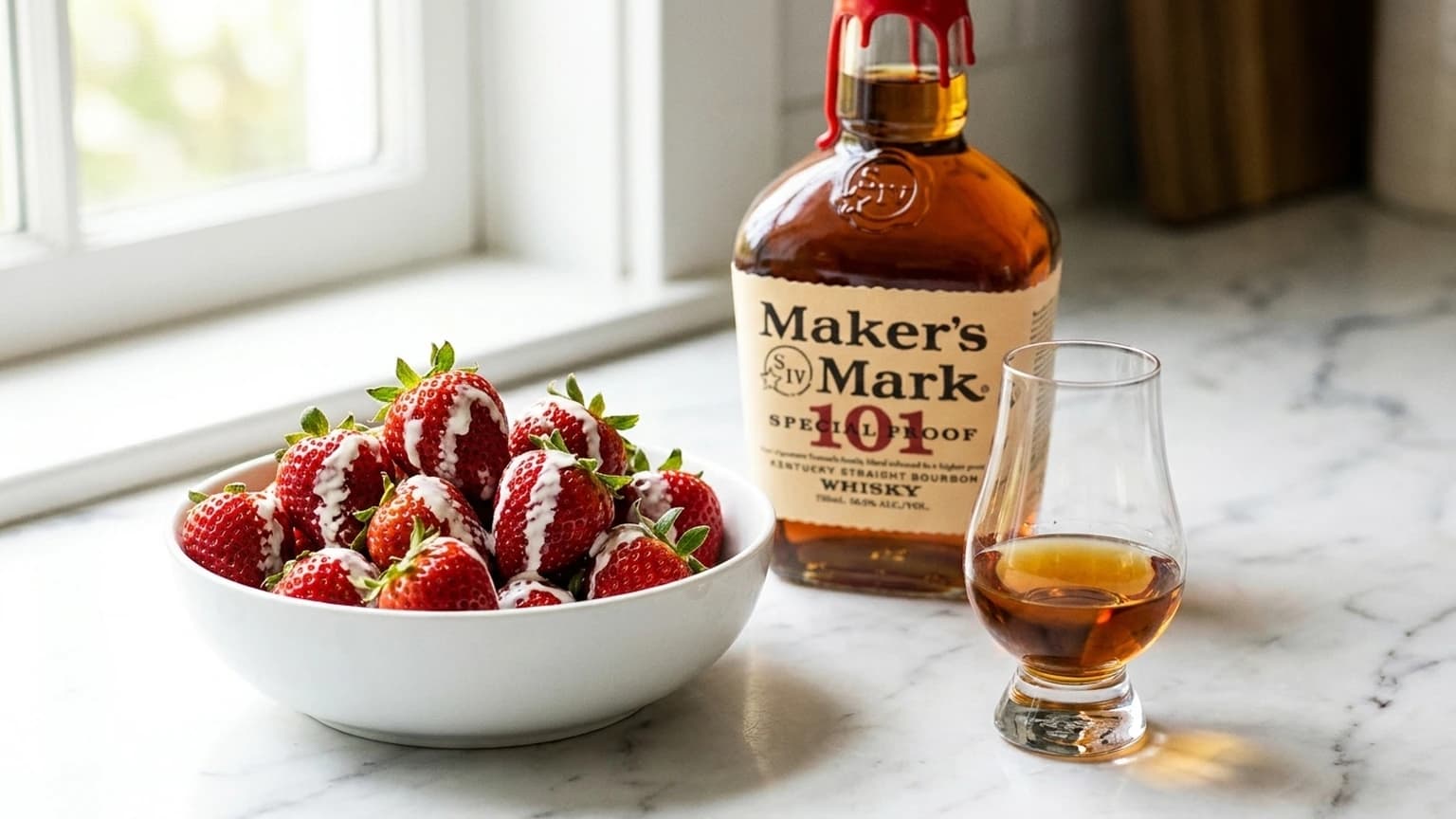
A standard Maker's Mark or Larceny in the 90 proof range is the sweet spot. Barrel-proof bottles and rye bombs sit this one out. Save them for after the match.
Bottles for the Pairing
Larceny Small Batch
Suits: The everyday wheated pick that leans into ripe fruit
Soft caramel and honeysuckle up front, then a jammy strawberry note that lands squarely on theme. The finish stays creamy rather than hot. Easy to find and easy to pour a second time.
Explore in Digital Dram catalogMaker's Mark
Suits: The default, and the one to reach for if you own only one wheater
Maker's set the template for modern wheated bourbon: gentle baking spice, vanilla, and a clean finish that knows when to stop. It will not upstage the fruit, which is exactly the point here. Consistent bottle to bottle.
Explore in Digital Dram catalogFour Roses Small Batch
Suits: The exception that proves the wheated rule
On paper the rye content should fight the strawberry. In the glass, the floral yeast strain in the OBSO recipe pushes ripe red berry and stone fruit that meet the cream halfway. The one non-wheated bottle worth breaking the rule for.
Explore in Digital Dram catalogHenry McKenna Single Barrel 10 Year
Suits: Traditional grain bill, still at a pairing-friendly proof
A caramel-forward bottled-in-bond with baking spice and a rich, almost creamy texture that anchors the dish without flattening it. At 100 proof it sits right at the ceiling for this pairing, so keep the pour to half an ounce. Single barrel, so expect some bottle-to-bottle drift.
Explore in Digital Dram catalogThree Ways to Serve It
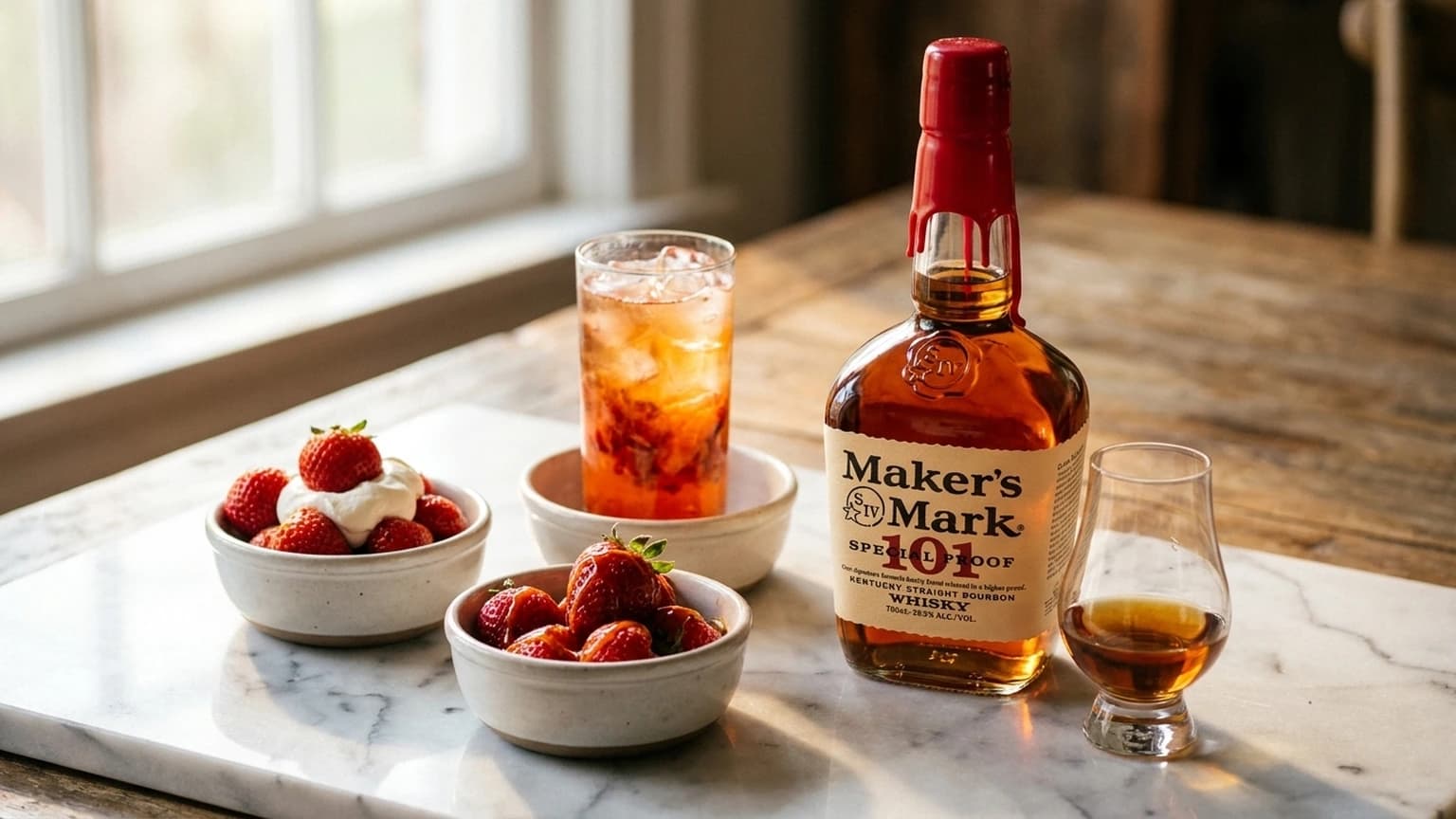
Side by side. A bowl of strawberries with a light cream drizzle, a one-ounce Glencairn pour alongside. Bite, sip, notice how the palate moves. This is the pairing in its purest form.
Drizzled. Skip the heavy cream on the fruit. Spoon a tablespoon of bourbon over the strawberries instead, let them sit ten minutes so the alcohol mellows and the whiskey soaks in, then add cream on top. A small sip on the side finishes it.
In a cocktail. The strawberry bourbon cooler from our Wimbledon cocktails guide: muddle strawberries, add bourbon, lemon juice, and a dash of simple syrup, shake, and serve tall.
Why Not Other Whiskeys
Scotch struggles here. Peated Scotch picks a fight with the strawberry acidity, and a sherried dram buries the cream under dried fruit. A lighter Speyside gets closer, but without corn sweetness the pairing reads thin.
Irish whiskey does better. The lighter grain sits well against cream, though it misses the vanilla-forward register that makes the bourbon version click.
Canadian whisky is too light to hold its ground. The cream coats the palate and the whisky just disappears.
The Oak Factor
Oak matters more here than in most pairings. Under-aged bourbon, two or three years old, tastes grainy against the cream. Push past fifteen years and the wood tannin turns the whole thing dry and bitter.
The window is 6 to 10 years. Enough barrel time for vanilla, caramel, and structure, not so much that the tannin starts wrestling the dairy. The bottles that land in that window tend to be the unshowy middle of the Kentucky shelf: Buffalo Trace, Old Forester 86, Maker's Mark. None of them are trophies. All of them work.
The Post-Match Pour
After the strawberries, after the cream, after the last point, the close-out pour changes the brief. Now a heavier bottle earns its place. Still not something that will scald you, but with more weight than the pairing bourbon carried.
Wilderness Trail Wheated Bourbon
Suits: A step up in weight while keeping the wheated softness
Vanilla, caramel, and butterscotch with stone fruit, then baking spice and char on the finish. The sweet mash process keeps it notably clean, so the extra proof reads as body rather than heat. A natural bridge from the pairing pour to something bigger.
Explore in Digital Dram catalogAngel's Envy Cask Strength
Suits: A dessert pour that leans into the berry note
The port finish stacks syrupy cherry and raspberry on top of the base bourbon, with praline and chocolate on the close. Proof runs batch to batch and lands near cask strength, so a splash of water is fair game. Allocated and pricey, so treat it as an occasion.
Explore in Digital Dram catalogBernheim Barrel Proof Wheat Whiskey
Suits: The most literal strawberries-and-cream analogue on the shelf
Wheat whiskey rather than bourbon, and the closest thing to dessert in a glass: waffle cone, caramel, and raspberry. Proof shifts by batch and runs hot, so this is strictly a slow post-match sipper, not a pairing pour. Worth the hunt if you like your close-out sweet.
Explore in Digital Dram catalogWhat to Skip
Leave the cask-strength bottles out of the pairing itself. Skip peated whiskey entirely. Skip heavily sherried bourbon, where the dried fruit competes with the fresh berry. And skip the cheapest ultra-pasteurized cream, which has been cooked past the point of holding the dairy lactones that make the whole thing work.
When to Serve It
Late June through early August, when strawberries are actually in season. The pre-picked January supermarket kind lack the acidity and floral lift the pairing leans on, and it shows immediately.
Wimbledon serves its strawberries mid-afternoon, into the late matches. That timing suits the pairing: the acidity and freshness carry the afternoon without the heaviness of a proper dessert.
Log Your Seasonal Pairings
Track which bourbons work with seasonal foods and build a year-round pairing map.
Create Free ProfileKeep Reading
More in Guides

The Ultimate Bourbon Heritage Month Flight: 30 Days, 30 Drams
The full 30-bottle lineup for our Bourbon Heritage Month flight: one pour a day through September, from $20 bottled-in-bond workhorses to the fall unicorns, with four blind tasting weekends along the way.

Best Coastal Sipping Whiskeys for The Open
American whiskeys that match the coastal rhythm of links golf. Single malts and coastal-climate bourbons with real maritime provenance.
Bourbon vs Scotch: The Open Championship Debate
The Open is Scotch country, but the bourbon case is stronger than most golf fans realize. A side-by-side breakdown for links golf weekend.